
Where Design Meets Functionality: Uncovering Homes with Investment Potential
Design plays a crucial role in the effectiveness and enjoyment of living spaces. Functionality and aesthetic appeal are interlinked; through thoughtful design, homes can achieve a harmonious balance that enhances everyday life while also reflecting personal taste. The principles of good design focus not only on visual aspects but also on how a space is utilized. For instance, the layout of a home greatly influences its livability. An open floor plan can create a sense of space and promote social interaction, while designated zones can offer privacy and quiet areas.
SMART PROPERTY MANAGEMENTPROPERTY INVESTMENTPRIVATE RESORTS
12/20/20254 min read
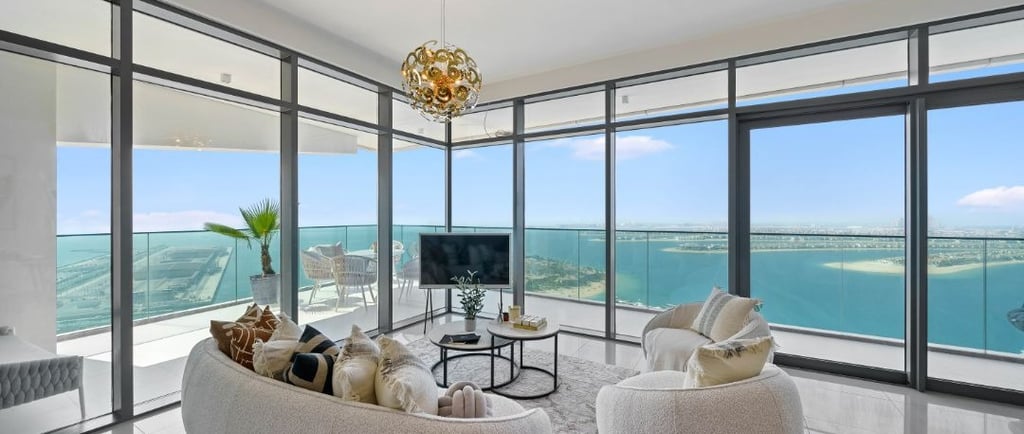
The Importance of Design in Functional Homes
Design plays a crucial role in the effectiveness and enjoyment of living spaces. Functionality and aesthetic appeal are interlinked; through thoughtful design, homes can achieve a harmonious balance that enhances everyday life while also reflecting personal taste. The principles of good design focus not only on visual aspects but also on how a space is utilized. For instance, the layout of a home greatly influences its livability. An open floor plan can create a sense of space and promote social interaction, while designated zones can offer privacy and quiet areas.
Natural lighting is another pivotal element. Well-designed spaces incorporate windows and openings that allow sunlight to flood interiors, fostering a bright and welcoming atmosphere. This not only elevates the mood of residents but also reduces the reliance on artificial lighting, thereby improving energy efficiency. Spatial flow—how users move through a space—is essential for ease of movement and contributes to overall satisfaction with the home environment.
Incorporating practical design elements such as built-in storage solutions can transform any room into an organized area, reducing clutter and enhancing functionality. Multi-purpose furniture, like sofa beds or storage ottomans, further exemplifies the principles of functional design, as they serve multiple roles without sacrificing style. Modern homeowners, often burdened with busy lives, find that these thoughtful design choices significantly contribute to daily convenience.
It is imperative for homeowners to recognize the significance of balancing aesthetic elegance with practical function. A home that marries these qualities not only elevates the living experience but also retains investment potential in the dynamic real estate market.
Functional Features That Boost Home Value
In today's competitive real estate market, homeowners are increasingly focused on enhancing the functionality of their properties to maximize market value. One significant feature that boosts home value is the incorporation of energy-efficient appliances. These appliances not only help in reducing utility bills but also appeal to environmentally conscious buyers, making homes with such features more attractive. Studies indicate that properties equipped with energy-efficient systems can see an increase in value by up to 10%, depending on the market.
Another notable trend is the implementation of smart home technology. Features such as smart thermostats, automated lighting, and security systems enhance both convenience and safety, ultimately increasing the home's appeal. Buyers are willing to pay more for homes that offer advanced technology integration, as this not only adds modernity but also potentially lowers energy costs. Research has shown that homes with smart features can command a price premium of approximately 5% to 7% over comparable homes without such technology.
The choice of materials used in a home also significantly impacts its market value. Quality materials that minimize maintenance costs, such as fiber-cement siding or metal roofing, add both aesthetic and practical advantages. These materials generally contribute to the longevity and durability of the property, factors that are highly valued in the real estate market. Recent trends demonstrate that homes built with sustainable, low-maintenance materials can appreciate at rates 10% higher than average homes.
Outdoor living spaces, including decks, patios, or landscaped gardens, have become increasingly popular among buyers looking for home functionality. A well-designed outdoor area extends the living space and enhances the overall value of the property, often leading to a return on investment of over 60%. As trends in home design continue to evolve, the integration of functional features demonstrates a clear commitment to both practicality and future resale value, making these investments wise for homeowners.
Case Studies: Homes That Exemplify Design and Functionality
In exploring the intersection of design and functionality in residential spaces, several exemplary homes stand out, showcasing how thoughtful architectural decisions can lead to impressive investment potential. One such case is a contemporary house located in an urban neighborhood. This residence features an open floor plan that maximizes natural light, creating a bright and inviting atmosphere. The use of sustainable materials not only enhances aesthetic appeal but also reduces the environmental impact, making it an attractive proposition for eco-conscious buyers.
In addition to its design prowess, this home includes functional enhancements such as a smart home system that integrates lighting, security, and heating controls. Such technology not only provides convenience but also has been shown to increase property value significantly. Interviews with the homeowners reveal that after making these improvements, they observed a notable return on investment (ROI) of nearly 20% within two years, demonstrating the financial benefits of these design choices.
Another instructive example can be found in a renovated Victorian home that marries historic charm with modern amenities. The owners preserved original architectural details while introducing energy-efficient windows and updated plumbing and electrical systems. This not only maintained the home’s character but also resulted in reduced utility costs, a critical concern for prospective buyers.
The ROI for this investment was impressive, with the home's value increasing by approximately 15% after renovations. Homeowner interviews highlight the importance of balancing design and functionality, noting that their upgrades not only enhanced their living environment but also positioned their property favorably within the competitive market. These case studies illustrate that with the right combination of thoughtful design and functional enhancements, homeowners can enjoy both personal satisfaction and a robust investment opportunity.
Maximizing Design and Investment Returns
Homeowners looking to enhance their properties for both aesthetic appeal and investment potential must take strategic steps to ensure their renovations are impactful. One of the most effective ways to yield high returns is through kitchen remodels. Research has shown that an updated kitchen not only increases the functional aspect of a home, but also directly correlates with a higher resale value. Key upgrades might include modern appliances, durable countertops, and effective storage solutions.
Bathroom upgrades also offer substantial returns on investment. Homeowners may consider features like updated fixtures, energy-efficient installations, and improved lighting. These enhancements not only elevate the design but also provide long-term savings on water and energy costs, thus merging functionality with economic prudence.
Collaboration with qualified designers and architects is essential for executing successful renovations. Engaging professionals ensures that the home’s design aligns with overall financial goals while meeting personal lifestyle needs. It is advisable to establish a clear budget and timeline from the outset, allowing for realistic expectations and efficient project management. Additionally, these experts can provide insights on current design trends and materials that boost both aesthetic appeal and home value.
Maintaining the value of a home is an ongoing process that extends beyond initial renovations. Homeowners should remain vigilant about market trends and maintain a willingness to adapt. Regular maintenance, updates, and repairs contribute significantly to sustaining a home's value over time. Small adjustments, such as painting or landscaping, can make a remarkable difference in a property's charm and desirability.
Make the Smart Move: Stylish Homes with Investment Potential