
Profitable Investment Units on the Red Sea: Opportunities 2025
The Red Sea region presents a dynamic investment landscape characterized by a unique blend of opportunities and challenges. Positioned strategically between Europe, Africa, and Asia, it serves as a crucial conduit for international trade. The waterway not only facilitates the movement of goods—making it a vital shipping route—but also has become increasingly attractive for tourism and real estate development. These factors contribute to the ongoing growth and diversification of economic activities in the region.
FUTURE OF REAL ESTATESMART PROPERTY MANAGEMENTPROPERTY INVESTMENTPRIVATE RESORTS
12/9/20255 min read
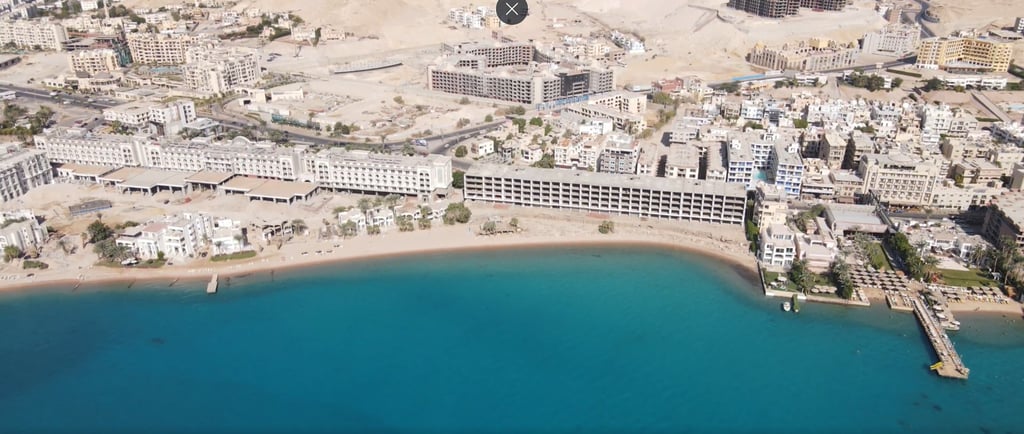
Overview of the Red Sea Investment Landscape
The Red Sea region presents a dynamic investment landscape characterized by a unique blend of opportunities and challenges. Positioned strategically between Europe, Africa, and Asia, it serves as a crucial conduit for international trade. The waterway not only facilitates the movement of goods—making it a vital shipping route—but also has become increasingly attractive for tourism and real estate development. These factors contribute to the ongoing growth and diversification of economic activities in the region.
Tourism is a burgeoning sector, with several countries along the Red Sea prioritizing infrastructure development to enhance visitor experiences. The stunning beaches, historical sites, and vibrant marine life draw millions of tourists every year, creating a fertile ground for investment in hospitality services and related ventures. The government's focus on promoting tourism through various initiatives is likely to encourage further investments in resorts, hotels, and recreational facilities.
Moreover, real estate development is escalating, driven by both local and foreign investors seeking lucrative opportunities. Areas along the Red Sea, particularly those in Egypt, Saudi Arabia, and Jordan, have seen a significant uptick in property developments, catering to both residential and commercial markets. The drive to enhance urban infrastructure, combined with foreign investments, has led to new projects that promise substantial returns.
Recent economic indicators reflect a positive trajectory, with growth in various sectors showcasing the resilience of the Red Sea region. Government initiatives aimed at attracting foreign direct investment include incentives, regulatory reforms, and streamlined processes that appeal to investors. With these developments, 2025 is poised to be a pivotal year, potentially marking a turning point for investment opportunities in the Red Sea as the demand for diversified economic assets continues to rise.
Emerging Sectors and Profitable Opportunities
The Red Sea region is gaining prominence as an attractive destination for investment in 2025, primarily due to its rich natural resources and strategic geographical position. Among the emerging sectors, tourism stands out, with the increasing global trend towards luxury and eco-friendly travel. Initiatives to enhance infrastructure, such as the expansion of airports and resorts, are anticipated to drive significant returns on investment. Noteworthy projects include luxury resorts aimed at affluent clientele and eco-friendly lodges catering to environmentally conscious travelers, which showcase a blend of profitability and sustainability.
Renewable energy is another sector with substantial growth potential in the Red Sea area. As the region aims to transition towards a sustainable energy model, investments in solar and wind energy stations are becoming more favorable. The government's initiative to diversify energy sources aligns with global sustainability goals, attracting investors interested in both long-term profitability and ecological responsibility. Major projects are currently underway that promise substantial energy output while ensuring minimal environmental impact, thus appealing to investors looking for sustainable opportunities.
Real estate development is additionally experiencing a robust boom, with numerous projects aiming to accommodate the increasing influx of tourists and expatriates. High-end villas, commercial spaces, and mixed-use developments are rapidly gaining traction, with anticipated appreciations in property values. The expected surge in demand for residential and commercial properties can be attributed to the strategic initiatives taken by authorities to enhance the overall living experience, making investments increasingly attractive.
Finally, the marine industries present another lucrative opportunity, fueled by the region's extensive coastline and thriving aquatic ecosystems. Investments in fishing, aquaculture, and marine tourism are being prioritized to tap into the growing consumer demand for seafood and aquatic experiences. Coastal development projects are attracting significant investor interest as they promise to yield substantial returns while promoting economic growth in the area.
Investment Risks and Considerations
Investing in the Red Sea region presents numerous opportunities; however, potential investors must also consider various risks that may impact their ventures. A significant factor is geopolitical instability, which can influence market conditions, legal frameworks, and the overall safety of investments. The geopolitical landscape can be fluid, necessitating close attention to both regional and international relations, as well as the broader implications of political events on market dynamics.
Market volatility is another vital consideration for investors looking at the Red Sea investment units. The tourism and real estate sectors, which heavily influence the region's economic health, can be susceptible to fluctuations due to global economic trends, changes in travel behavior, and shifts in consumer preferences. As such, potential investors should conduct thorough market research and consider diversification strategies to manage their risk exposure effectively.
Regulatory challenges can similarly impact investment prospects. Each country bordering the Red Sea has distinct legal and regulatory frameworks governing property ownership, foreign investment, and environmental protections. Investors must navigate these legal landscapes to ensure compliance and avoid potential penalties or project delays. Engaging with local legal counsel and understanding the regulatory requirements is crucial for making informed investment decisions.
Environmental considerations also play a pivotal role in investment planning. The Red Sea's diverse ecosystems are both a draw for tourism and a concern for sustainable development. Investors may face challenges concerning environmental regulations aimed at conserving marine biodiversity. Adopting eco-friendly practices and aligning investment projects with community development initiatives can help mitigate these risks while fostering goodwill among local populations.
In conclusion, while there are many profitable opportunities within investment units on the Red Sea, a thorough understanding of the associated risks and a commitment to sustainable practices are vital for ensuring success in this captivating market.
Successful Case Studies and Expert Insights
The investment landscape along the Red Sea has garnered significant attention, largely due to its thriving tourism sector and favorable governmental policies. Numerous investors and companies have successfully capitalized on the opportunities present in this dynamic region. One notable case is a consortium of international hotel brands that established a series of luxury resorts, effectively combining upscale hospitality with the pristine beauty of the Red Sea. This venture not only attracted affluent tourists but also created a ripple effect in local economies, bolstering job creation and infrastructure development.
Insights from experts such as Dr. Ahmed Farouk, a renowned economist specializing in regional investments, highlight the importance of understanding the local market dynamics. He emphasizes that successful investors conduct thorough research, assess the socio-economic conditions, and engage in community outreach. Dr. Farouk's studies indicate that businesses that align their offerings with local culture and traditions achieve better customer loyalty and sustainable profits.
Another illustrative example is a tech start-up that developed a platform connecting local artisans with global buyers. This initiative not only showcased the region's artistic talents but also opened new revenue streams for local craftsmen. The founder attributed their success to proactive networking and building strategic partnerships with tourism operators, which facilitated exposure to a larger audience.
Experts recommend that prospective investors prioritize adaptability and resilience in their strategies. As the Red Sea region evolves, staying informed about emerging market trends, environmental considerations, and regulatory changes is crucial. The insights gathered from these successful case studies and expert opinions collectively underscore the value of a proactive approach that leverages local relationships and an in-depth understanding of the marketplace. Such strategies will equip future investors with the necessary tools to navigate the complexities associated with the Red Sea investment opportunities in 2025.