
Landscaped Gardens & Parks: Green Spaces That Elevate Your Home
Urban environments are increasingly characterized by concrete structures and limited natural elements, making green spaces all the more critical for residents. Landscaped gardens and parks play a vital role in mitigating the feeling of confinement that can arise in densely populated areas. Studies have shown that access to these green spaces significantly benefits mental health, providing a natural sanctuary for relaxation and rejuvenation. The soothing effect of greenery can lead to reduced levels of stress, anxiety, and depression, promoting an overall sense of well-being.
SMART PROPERTY MANAGEMENTPROPERTY INVESTMENTFUTURE OF REAL ESTATE
1/17/20264 min read
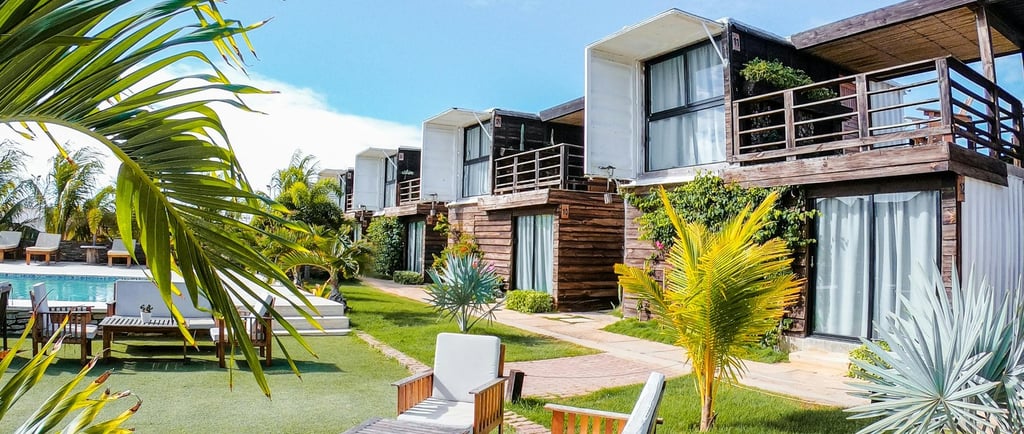

The Importance of Green Spaces in Urban Living
Urban environments are increasingly characterized by concrete structures and limited natural elements, making green spaces all the more critical for residents. Landscaped gardens and parks play a vital role in mitigating the feeling of confinement that can arise in densely populated areas. Studies have shown that access to these green spaces significantly benefits mental health, providing a natural sanctuary for relaxation and rejuvenation. The soothing effect of greenery can lead to reduced levels of stress, anxiety, and depression, promoting an overall sense of well-being.
Moreover, the presence of landscaped gardens and parks can enhance the quality of life in urban settings. They offer residents not only a place for leisure and recreation but also promote physical activities such as walking, jogging, and community gatherings. This leads to a healthier lifestyle, as individuals are more likely to engage in outdoor activities and experience the physical and social benefits associated with them. Research indicates that neighborhoods with ample green space have residents who report higher satisfaction levels and stronger community ties.
In addition to psychological benefits, green spaces contribute to environmental sustainability. They play an essential role in promoting biodiversity, serving as habitats for various species, and helping maintain ecological balance within urban settings. Furthermore, landscaped gardens and parks contribute to improving air quality and reducing urban heat through natural processes, thereby making cities more livable. The increased property values associated with proximity to these green areas reflect their importance in urban planning. Ultimately, incorporating green spaces into urban settings shapes a healthier environment and elevates the lives of residents.
Elements of a Stunning Landscaped Garden
A breathtaking landscaped garden comprises various essential elements that work in harmony to create an inviting outdoor space. One of the primary categories to consider is hardscape versus softscape. Hardscape refers to the non-plant elements in your garden, such as paths, walls, and patios, which provide structure and functionality. In contrast, softscape includes the living elements, particularly the plants, trees, and shrubs that bring color and life to the space. Balancing these two aspects is crucial in achieving aesthetic appeal and usability.
Another integral component is plant selection. Choosing the right plants requires careful consideration of your garden's specific climate, soil conditions, and sunlight availability. Incorporating a diverse range of plants can create layers of interest, ensuring that the garden remains visually engaging throughout the year. Additionally, be mindful of the planting zones and how seasonal changes can affect plant vitality, colors, and overall aesthetics.
Incorporating water features, such as ponds or fountains, can significantly enhance the tranquility of a landscaped garden. The soothing sounds of water can provide a calming atmosphere, while also attracting various wildlife, thus increasing the ecological value of your garden. Furthermore, ensuring a proper maintenance routine for these features is vital for their longevity and functionality.
Paths and seating areas also play a crucial role in the overall design. Pathways guide visitors through the garden, leading them to focal points and providing a safe means for exploration. Meanwhile, well-placed seating areas create inviting spaces for relaxation and enjoyment, encouraging individuals to fully appreciate the beauty of their landscaped garden.
To maintain vibrancy year-round, regular care and seasonal adjustments are necessary to uphold the garden's integrity. With proper planning and attention to these elements, a stunning landscaped garden can flourish, providing a seamless blend of beauty and functionality.
Parks as Community Spaces
Parks play a pivotal role in enhancing community life, serving as essential gathering spots that foster social interactions and recreational activities. They are not merely patches of green; rather, they symbolize a community’s dedication to public well-being, offering spaces for varied events and leisurely pursuits. Parks come in diverse forms including neighborhood parks, linear parks, and regional parks, each designed to fulfill unique community needs.
Neighborhood parks typically serve local residents, providing easy access to green spaces for children’s play, family picnics, and informal gatherings. These parks create a sense of belonging among neighborhood residents. In contrast, linear parks, often developed along former railway lines or waterways, encourage active transportation and outdoor activities such as walking, jogging, and cycling. They connect different parts of a city, promoting an inclusive environment for all community members.
Regional parks are generally more extensive and equipped with a variety of amenities and facilities, attracting visitors from surrounding areas. They may host organized community events, festivals, and larger gatherings, effectively serving as a hub for social cohesion. For instance, the Millennium Park in Chicago has transformed into a focal point for art, culture, and community engagement since its inception. Its open spaces host free concerts and public art installations, engaging a diverse audience and enhancing community spirit.
Other examples include parks that have undergone revitalization through urban planning initiatives, positively influencing local economies and community dynamics. By incorporating elements like playgrounds, exercise stations, and community gardens, parks can cater to different demographics, promoting an active lifestyle while encouraging interactions among residents. Ultimately, parks serve as vital catalysts for community development, enhancing quality of life through shared experiences and outdoor activities.
Designing Your Own Landscape: Tips and Trends
Creating a landscaped garden or park that enhances your home can be an enjoyable and fulfilling project. However, before you embark on your landscape design journey, it’s essential to consider several factors, including trends, budgeting, and maintenance.
One of the most prominent trends in landscaping today is sustainability. Homeowners are increasingly inclined towards sustainable landscaping practices that promote environmental health. This can include utilizing native plants that require less water and maintenance while supporting local wildlife. Furthermore, xeriscaping is gaining popularity, especially in regions with water scarcity. This method incorporates drought-resistant plants and focuses on reducing irrigation needs, thus conserving water.
When planning your landscaping project, it’s critical to work within your budget and acknowledge any space limitations. Carefully allocating your funds to prioritize essential elements is key. For example, consider investing in high-quality soil and plants at the outset, as these will form the foundation of your garden's success. Plan your layout according to your available space; vertical gardens or container gardens can be excellent solutions for smaller areas.
Additionally, thorough planning is crucial for maintaining your landscaped garden. Regular maintenance—such as pruning, watering, and mulching—ensures that your garden continues to thrive and stay attractive over time. Developing a seasonal maintenance schedule can help you keep up with these tasks without feeling overwhelmed.
In terms of inspiration, a range of landscaping aesthetics can guide your design approach. From modern minimalism that emphasizes clean lines and open spaces to rustic designs featuring natural materials and native flora, the options are abundant. You may also look into themed gardens, which can incorporate elements like ornamental features, garden sculptures, or pathways that enhance the overall experience. Ultimately, the goal is to create a space that reflects your personality and lifestyle while being functional and visually appealing.