
Hurghada 2030: The Vision Shaping the City’s Real Estate Future
Hurghada, a city situated on the Red Sea coast of Egypt, has rapidly evolved from a small fishing village to a bustling resort town renowned for its stunning beaches and vibrant marine life. As of now, Hurghada stands out as a key player in Egypt's tourism sector, attracting millions of visitors annually. The current real estate landscape in Hurghada reflects this substantial growth, with a variety of residential and commercial developments catering to both locals and tourists. However, to further enhance its position, local government and stakeholders have initiated the "Hurghada 2030 Vision," a comprehensive strategic plan aimed at transforming the city into an exemplary tourist and residential destination.
SMART PROPERTY MANAGEMENTFUTURE OF REAL ESTATEPROPERTY INVESTMENTFUTURE INVESTMENT
3/12/20264 min read
Introduction to Hurghada 2030 Vision
Hurghada, a city situated on the Red Sea coast of Egypt, has rapidly evolved from a small fishing village to a bustling resort town renowned for its stunning beaches and vibrant marine life. As of now, Hurghada stands out as a key player in Egypt's tourism sector, attracting millions of visitors annually. The current real estate landscape in Hurghada reflects this substantial growth, with a variety of residential and commercial developments catering to both locals and tourists. However, to further enhance its position, local government and stakeholders have initiated the "Hurghada 2030 Vision," a comprehensive strategic plan aimed at transforming the city into an exemplary tourist and residential destination.
The motivations behind the Hurghada 2030 Vision are multifaceted. Firstly, the city aims to bolster its economy by attracting more investments and diversifying its offerings. As the demand for sophisticated real estate options increases, the city seeks to provide high-quality residential spaces and tourist developments. This will not only create job opportunities but also enhance the quality of life for residents. Moreover, the government envisions sustainable urban development that respects and preserves the natural beauty of the region while embracing modern infrastructure.
Another crucial goal of the Hurghada 2030 Vision is to strengthen community engagement. By involving local stakeholders in the planning and development processes, the initiative aims to foster a sense of ownership and pride in the city's future. The focus on sustainability also extends to community-focused projects that promote cultural heritage and local traditions, ensuring that growth does not detract from the city's unique character.
In conclusion, the Hurghada 2030 Vision embodies a transformative plan designed to enhance the city’s real estate landscape while fostering economic growth and community well-being. Through strategic goals and collaborative efforts, Hurghada aspires to redefine itself as a premier destination, ultimately benefiting both its residents and visitors.
Key Initiatives and Projects Under the Vision
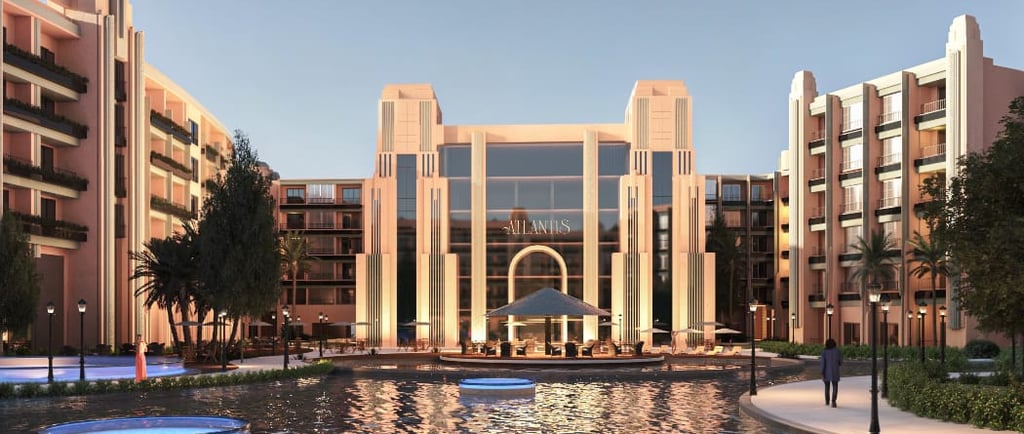
The Hurghada 2030 vision is a comprehensive plan designed to enhance the real estate landscape of Hurghada, focusing on sustainable development and urban growth. One of the significant initiatives under this vision is the development of mixed-use communities that combine residential, commercial, and recreational spaces. These integrated neighborhoods seek to create a vibrant atmosphere that caters to both residents and tourists, encouraging community engagement and a higher quality of life.
In addition to residential developments, substantial upgrades in infrastructure are planned to support the expanding population and increase tourism. This includes improvements to the transportation network with enhanced road systems and public transport facilities, which are essential for easing congestion and improving access to various parts of the city. Furthermore, the initiative emphasizes the significance of modern utilities and digital infrastructure to meet the growing demands of a tech-savvy population.
Another key aspect of the Hurghada 2030 vision is the commitment to eco-friendly initiatives. Projects focusing on renewable energy sources, waste management systems, and water conservation practices aim to position Hurghada as a model for sustainable living. These initiatives not only enhance the aesthetics of the city but also promote environmental responsibility among residents and visitors alike.
Public-private partnerships play a vital role in the realization of these ambitious projects. By collaborating with private investors, the government can leverage additional funds, innovative ideas, and expertise, thereby accelerating development timelines. Investments from both local and international stakeholders are expected to drive the real estate sector forward, ensuring that Hurghada remains an attractive destination for living and vacationing.
Impact on Real Estate Market Dynamics
The vision set forth for Hurghada by 2030 is poised to bring significant changes to the local real estate landscape. This initiative is expected to boost the demand for both residential and commercial properties, as infrastructure development and urban planning aim to enhance the overall livability and attractiveness of the city. As international interest in Hurghada grows, it is likely that pricing trends will shift dramatically, reflecting the city’s enhanced appeal.
One of the primary objectives of the Hurghada 2030 vision is to attract substantial foreign investment, which is anticipated to have a ripple effect on property values. With new developments and upgraded amenities, the allure of Hurghada as a vacation and residential hub is expected to elevate property prices. This projected growth will also create lucrative opportunities for existing property owners, as the increased demand could lead to significant rental yields, thereby making investment in Hurghada's real estate market an attractive prospect.
Furthermore, the demographic shifts resulting from Hurghada’s urban transformation will likely influence market dynamics. As the city evolves to accommodate a more diverse population, including expatriates and retirees, demand patterns may shift, requiring a reevaluation of the types of properties that are in highest demand. Developers will need to adapt to these changing preferences, focusing on offerings that cater not only to the local market but also to potential international buyers.
The ongoing developments under the Hurghada 2030 vision signal a promising future for the real estate sector, with expected trends indicating a robust market characterized by increased property valuation and enduring investment potential. The convergence of improved infrastructure, lifestyle enhancements, and demographic diversification are essential factors that will shape the future of Hurghada's real estate market.
Challenges and Opportunities Ahead
The vision for Hurghada by 2030 presents significant challenges as well as opportunities for the stakeholders involved, including investors, developers, and current residents. Among the most pressing challenges are regulatory hurdles, which may impede the pace of development. These hurdles often arise from the complex bureaucratic processes that are characteristic of real estate developments in Egypt. Ensuring compliance with local laws and regulations requires thorough planning and a proactive approach from developers, which can delay projects and increase costs.
Environmental concerns are another critical challenge. As the city aims to expand its tourism and residential offerings, it is essential to balance development with the preservation of Hurghada's natural resources. Environmental degradation could undermine the long-term sustainability of the city’s appeal as a tourist destination. Therefore, developers must adopt eco-friendly building practices and work towards sustainable urban planning to mitigate these impacts.
Economic fluctuations also pose a significant risk. The real estate market is inherently sensitive to economic conditions, including inflation, currency volatility, and shifts in global demand for properties. Investors need to remain vigilant and adaptable to navigate these economic realities effectively. However, it is worth noting that such challenges also pave the way for opportunities. As the demand for high-quality living spaces continues to grow, innovative and sustainable development projects can attract both local and international investors.
Furthermore, community engagement plays a critical role in shaping these developments. By involving residents in the planning process, developers can ensure that new projects reflect the needs and desires of the community. This collaborative approach could foster a sense of ownership and enhance the overall quality of life in Hurghada, making it an attractive place for both current inhabitants and future residents.