
Hurghada 2030: The Red Sea City’s $10 Billion Development Pipeline, Explained
Hurghada, situated on the western coast of the Red Sea, is a prominent city in Egypt that attracts visitors with its stunning beaches and vivid coral reefs. Historically, the city was a small fishing village, but over the last few decades, it has developed into one of the leading tourist destinations in the region. Its geographical location provides a unique climate and diverse marine life, making it a prime spot for water sports and outdoor activities.
SMART PROPERTY MANAGEMENTFUTURE OF REAL ESTATEPROPERTY INVESTMENTFUTURE INVESTMENT
3/9/20265 min read
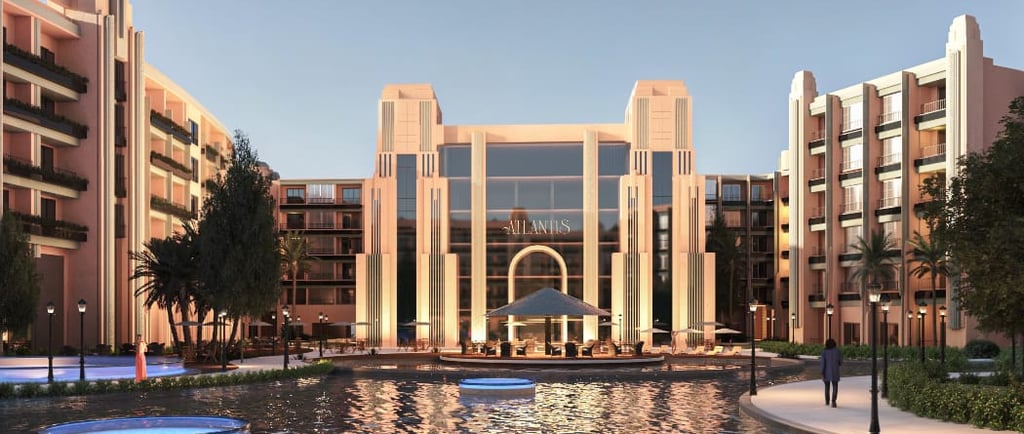
Overview of Hurghada's Current Landscape
Hurghada, situated on the western coast of the Red Sea, is a prominent city in Egypt that attracts visitors with its stunning beaches and vivid coral reefs. Historically, the city was a small fishing village, but over the last few decades, it has developed into one of the leading tourist destinations in the region. Its geographical location provides a unique climate and diverse marine life, making it a prime spot for water sports and outdoor activities.
The existing tourism infrastructure in Hurghada is well-established, boasting a range of hotels, resorts, and recreational facilities that cater to millions of international tourists each year. From luxury all-inclusive resorts to budget-friendly accommodations, the city offers a spectrum of options to meet diverse needs. In addition to recreational offerings, Hurghada has modern amenities, including shopping centers, restaurants, and nightlife options, further enhancing its appeal as a beach destination.
As of now, Hurghada's economy is largely dependent on tourism, with numerous locals employed in the hospitality and service industries. The influx of travelers significantly contributes to the city's economic growth, generating revenue and providing jobs for residents. The local economy also benefits from supporting industries such as transportation, retail, and guiding services.
Demographically, the city is home to a mix of nationalities and cultures, showcasing a blend of local Egyptian traditions and international influences due to the tourist population. The cultural richness is evident in local markets, where artisans display handcrafted goods, and in traditional eating establishments serving authentic Egyptian cuisine. Today, Hurghada represents an important fusion of historical significance, economic vitality, and scenic beauty, making it a sought-after destination for beachgoers and adventure seekers alike.
The $10 Billion Development Pipeline: Key Projects and Investments
As Hurghada sets its sights on a transformative future through its ambitious $10 billion development pipeline, a myriad of key projects and investments are in the works. Central to these efforts is the ongoing construction of luxurious new resorts, designed to attract a broader range of tourists and elevate the city’s status as a premier destination along the Red Sea. These resorts are expected to feature state-of-the-art amenities, integrating elements of local culture while ensuring environmental sustainability.
In addition to tourism-related projects, substantial investments are directed towards urban infrastructure improvements. Initiatives include the development of modern transportation systems that will enhance connectivity within the city, as well as improved public amenities. These enhancements are projected to significantly impact the local economy by creating jobs and increasing accessibility for both residents and visitors.
Moreover, environmental sustainability initiatives are gaining momentum within the development pipeline. Projects aimed at preserving the delicate marine ecosystem of the Red Sea involve responsible tourism practices, waste management systems, and renewable energy sources. Such initiatives not only cater to the ecological needs of the area but also bolster Hurghada's reputation as an eco-friendly destination.
A crucial aspect of this development pipeline involves public-private partnerships, which play a vital role in funding and managing various projects. These collaborations allow for sharing of resources and expertise, paving the way for innovative solutions that can address the city's unique challenges. The timelines for these projects vary, with some expected to conclude within the next few years, whilst others may take a decade or more to fully materialize.
When comparing Hurghada's pipeline to similar developments in other Red Sea cities, notable distinctions and parallels arise, particularly in terms of scale, investment strategies, and anticipated impacts on the local economy. This comprehensive approach not only showcases Hurghada's aspirations but also highlights the potential challenges that may arise as development progresses.
Economic and Social Implications of the Development Plans
The ambitious development plans for Hurghada are expected to bring significant economic and social implications, particularly given the projected $10 billion investment earmarked for this Red Sea city. Primarily, the infusion of capital and the initiation of new projects are likely to propel job creation within various sectors. As construction begins and new businesses emerge, local employment opportunities will likely increase, thereby reducing unemployment levels and improving the overall economic landscape.
Moreover, with the enhancement of tourism infrastructure, including hotels, entertainment facilities, and transportation networks, Hurghada is poised to welcome a greater number of international visitors. This revitalization of tourism is expected to not only increase tourism revenue but also promote the growth of local businesses. Restaurants, shops, and service providers will potentially see a surge in demand as tourism flourishes, further stimulating the local economy and encouraging entrepreneurship.
On the societal front, rapid development may introduce both benefits and challenges for Hurghada’s local community. The rise in job opportunities and economic growth helps elevate living standards; however, the swift changes necessitate careful planning to address potential disruptions. The influx of tourists and the expansion of urban areas could strain existing housing and infrastructure, raising concerns about accessibility and living conditions for residents.
Balancing tourism growth with community well-being becomes critical in this context. It is essential that policymakers engage with local communities to ensure that the benefits of development are distributed equitably and that the unique culture and heritage of Hurghada are preserved. Sustainable practices, alongside strategic planning, should be implemented to mitigate adverse social effects while maximizing economic benefits. In doing so, Hurghada can evolve into a thriving hub that respects both its economic ambitions and the needs of its community.
Future Prospects: What Lies Ahead for Hurghada
The future of Hurghada post-2030 is likely shaped by a convergence of technological advancements, tourism dynamics, and sustainable development strategies. As Egypt continues to invest heavily in its Red Sea resorts, the city is poised to enhance its global standing as a premier tourist destination. The projected influx of tourists will necessitate a balanced approach to urban planning, ensuring that growth does not come at the expense of the city’s unique charm and ecosystem.
With an increasing focus on sustainability, Hurghada’s development will likely include eco-friendly tourism initiatives that prioritize environmental preservation. Concepts such as green infrastructure and renewable energy sources may become foundational elements of future projects, appealing to a growing segment of environmentally conscious travelers. Experts predict that cities which successfully integrate sustainable practices will not only retain their attractiveness but also foster resilience against climate-related challenges.
Moreover, the evolution of tourism trends will play a critical role in shaping Hurghada's future. An acceleration in digitalization, along with changes in consumer behavior, may influence the types of services and experiences that travelers seek. Adapting to these trends will require strategic foresight from local stakeholders. Implementing innovative travel and accommodation offerings could enhance visitor satisfaction while promoting longer stays, benefiting the local economy.
Global economic factors will also present both challenges and opportunities for Hurghada. Fluctuations in currency values, travel regulations, and international relations could affect tourism flows. Therefore, local authorities must embrace adaptability within their planning processes, preparing for economic uncertainties by diversifying their tourism strategies. By enhancing partnerships in the hospitality sector and promoting unique local experiences, Hurghada can secure its position as a vibrant and sustainable destination beyond 2030.
Don’t miss out on Hurghada’s real estate revolution—get insights into the $10 billion pipeline now!