
Freehold vs. Leasehold: Pros, Cons & Investment Benefits
Learn the differences between freehold and leasehold property ownership. Compare the pros, cons, and investment benefits to make the right real estate decision with confidence.
SMART PROPERTY MANAGEMENTFUTURE OF REAL ESTATEPRIVATE RESORTSPROPERTY INVESTMENTFUTURE INVESTMENTREAL ESTATE
7/8/20264 min read
Understanding Freehold and Leasehold Properties
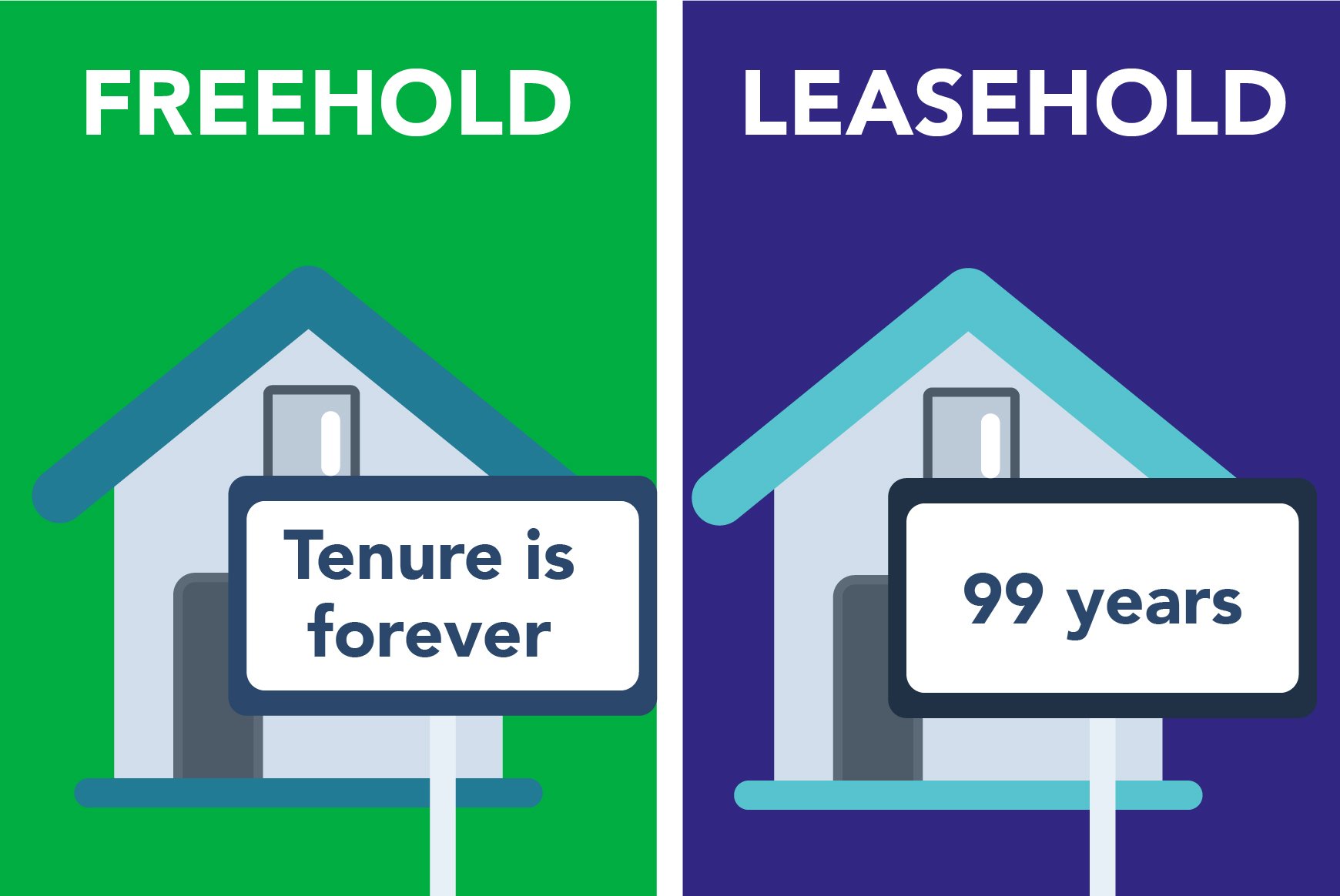
In the realm of real estate, understanding the distinctions between freehold and leasehold properties is crucial for prospective buyers and investors. A freehold property signifies that the owner has complete ownership of both the property and the land it occupies. This arrangement grants the owner indefinite duration of ownership, allowing for greater flexibility in making modifications or improvements to the property.
In contrast, a leasehold property entails that the buyer holds the right to occupy and use the property for a predetermined number of years, while the land itself is owned by another party – typically a landlord or a property management company. Upon the expiration of the lease, ownership rights typically revert back to the landowner unless renewal agreements are executed. This type of ownership can often be found in apartments and condominiums where individuals own their units but not the underlying land.
The legal frameworks governing freehold and leasehold ownership differ significantly. Freehold ownership often involves fewer restrictions, allowing owners to exercise their rights fully without the need for consent from a landlord. In the case of leasehold properties, tenants may encounter various terms outlined in the lease agreement, such as rules regarding modifications, management fees, and renewal conditions.
Examples of freehold properties include single-family homes, where the owner has the right to make decisions regarding property alterations, renovations, or even selling at their discretion. Conversely, typical examples of leasehold properties include apartment blocks, where individual unit owners must adhere to the terms stipulated in the overarching lease agreement while still enjoying their living space.
Understanding the implications of choosing between freehold and leasehold property is essential, as each presents its own set of advantages and challenges for investors and homeowners alike.
Pros and Cons of Freehold and Leasehold Ownership
The distinction between freehold and leasehold property ownership entails various advantages and disadvantages that potential investors and homeowners should carefully consider. Freehold ownership grants individuals total control over their property. This autonomy allows owners to modify, rent, or sell their property without needing third-party consent. Another significant advantage of freehold properties is the potential for higher resale values, largely due to the complete ownership of land and structures, which are often perceived as more desirable in the property market.
However, freehold ownership also presents notable responsibilities. Owners must handle all maintenance duties, from repairs to landscaping, which can be both time-consuming and financially burdensome. Additionally, the cost of purchasing freehold property is typically higher upfront, a factor that may deter some buyers.
On the other hand, leasehold properties can offer lower initial costs, making them appealing to first-time buyers or investors looking to get onto the property ladder. The less onerous maintenance responsibilities associated with leasehold ownership also present an appealing feature, as the ground landlord usually covers many aspects of upkeep. Furthermore, leasehold agreements can provide a structured living arrangement, which may benefit those who prefer predictability in residence.
Nevertheless, leasehold ownership comes with its own drawbacks. Leaseholders often face limitations on modifications they can make to the property and are subject to the terms laid out in their leases, which might restrict ownership rights and require ongoing ground rent payments. Additionally, complications can arise when a lease approaches expiration; with limited tenure, the property may depreciate in value over time.
The choice between freehold and leasehold can substantially impact one's lifestyle and financial planning. Individuals should carefully weigh these pros and cons to align their property choice with their long-term goals and needs.
Investment Benefits of Each Ownership Type
When considering property investments, the ownership structure plays a vital role in determining the overall return on investment. The two predominant types, freehold and leasehold, offer distinct advantages and disadvantages that can significantly influence an investor's strategy.
Freehold properties provide the owner with complete rights over the land and the structure, leading to potentially higher property values over time. Investors often find that freehold homes tend to appreciate at a faster rate compared to leasehold properties. This appreciation can be attributed to the intangible benefits of ownership, such as autonomy in making alterations and not being subjected to lease agreements. Moreover, freehold properties are more appealing to buyers in the resale market, thereby enhancing liquidity and reducing the time to sell.
On the other hand, leasehold properties can present lucrative investment opportunities as well, particularly in high-demand urban areas. The potential for consistent rental income is often a driving factor for investors. Leasehold investors can capitalize on the stability of cash flows generated through long-term leases, even if the property itself is not appreciating as rapidly as freehold options. In addition, leasehold properties can be more affordable at the point of acquisition, allowing for the entry into prime locations that may be out of reach if purchasing freehold.
While both ownership types have their merits, it is crucial for investors to evaluate market conditions and personal financial goals when deciding where to invest. Factors such as economic stability, demand trends, and management responsibilities might significantly impact the decision-making process. In summary, each ownership type carries unique investment benefits that can align with different strategies and objectives in the real estate market.
Conclusion: Making the Right Choice for You
In evaluating the options of freehold versus leasehold properties, various factors must be considered to determine what aligns best with your personal circumstances and future plans. Freehold properties typically grant outright ownership of the land and the structure, providing a sense of permanence and control to the owner. This can be particularly appealing to those looking for long-term investments, investment benefits, or who desire minimal restrictions on property modifications.
Conversely, leasehold properties, which allow ownership for a fixed term, present their own advantages. These may include lower initial purchase prices and often offering properties in prime locations. However, it is essential to factor in the duration of the lease, potential ground rent increases, and other stipulations that could impact your investment over time.
When choosing between freehold and leasehold, understanding your financial position is paramount. An analysis of your budget, the cost implications of both ownership types, and your capability for maintenance responsibilities will guide your decision. Additionally, assessing your lifestyle preferences, such as the desire for mobility or the importance of community living, will further refine your choice.
Lastly, navigating the complexities of property ownership requires expert insight. Consulting with property experts or legal advisors can provide clarity on the nuances of both freehold and leasehold agreements, ensuring that you are well-informed before making a commitment. Careful consideration of your objectives will lead you to the ownership type that best meets your needs, thus facilitating a more rewarding investment journey.