
Discovering Downtown Homes for Sale: The Allure of Prime Location Apartments and City Living
Living in downtown areas offers a unique appeal that resonates with a wide variety of individuals. Primarily, the proximity to workplaces is a significant advantage. Many people are drawn to the convenience of reduced commute times, which can enhance quality of life by providing more time for personal activities. This is particularly advantageous in today’s fast-paced world, where time is often at a premium.
SMART PROPERTY MANAGEMENTPRIVATE RESORTSPROPERTY INVESTMENTREAL ESTATE
1/4/20264 min read
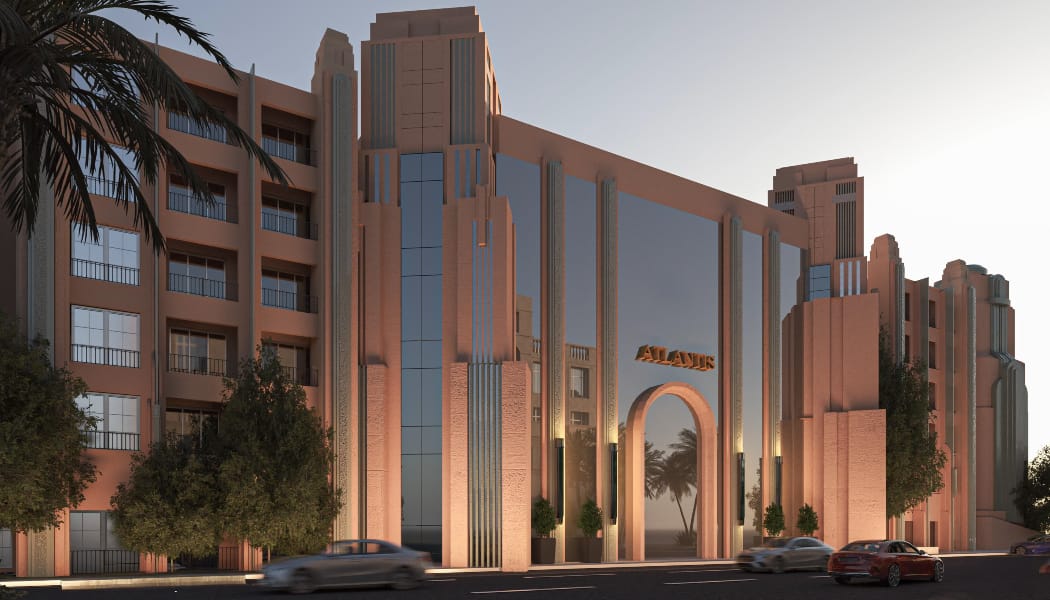

The Appeal of Downtown Living
Living in downtown areas offers a unique appeal that resonates with a wide variety of individuals. Primarily, the proximity to workplaces is a significant advantage. Many people are drawn to the convenience of reduced commute times, which can enhance quality of life by providing more time for personal activities. This is particularly advantageous in today’s fast-paced world, where time is often at a premium.
Access to cultural amenities is another key factor that makes downtown living particularly attractive. Residents typically find themselves within walking distance of theaters, art galleries, and museums, allowing for continuous cultural enrichment. This vibrant atmosphere not only fosters appreciation for the arts but also supports a community that values diversity and creativity. Social events, local festivals, and farmer's markets often occur in these lively surroundings, creating opportunities for engagement with friends and neighbors.
Furthermore, the social scene in downtown locales is dynamic and inviting. With a plethora of restaurants, bars, and cafes, there is always something happening, catering to a multitude of tastes and preferences. The ability to walk to various venues encourages social interaction, making it easier for residents to connect and build relationships. This sociability is often less pronounced in suburban or rural settings, where distance and limited options can deter spontaneous gatherings.
The lifestyle within a bustling urban environment is not only about access to amenities and social opportunities; it fosters a sense of community energy that many find invigorating. Downtown living promotes an active lifestyle, often encouraging residents to walk or bike rather than drive, which can lead to improved health outcomes. The blend of convenience, culture, and community makes downtown apartments not just a place to live, but a vibrant lifestyle choice that appeals to many individuals seeking a rich urban experience.
Types of Downtown Homes Available
Downtown areas are known for their dynamic lifestyle and diverse housing options that cater to a variety of preferences and budgets. One of the most sought-after types of downtown homes are luxury condominiums. These properties often offer high-end amenities such as fitness centers, rooftop pools, and concierge services. Typically, luxury condos vary in size, from compact one-bedroom units to expansive penthouses, appealing to both individuals and families looking for a prestigious urban lifestyle.
Another popular option among city dwellers is loft-style apartments. Characterized by their open floor plans, high ceilings, and large windows, lofts provide a unique blend of modern aesthetics and spacious living. Often converted from old industrial buildings, these apartments are cherished for their artistic appeal and the creative potential they offer. Prices for lofts can vary widely based on location within the downtown area and the specifics of the building’s history and design.
For those interested in historic homes, downtown areas often feature beautifully restored buildings that have been converted into stylish residences. These historic properties not only boast architectural charm but also provide a sense of character and continuity with the past. Typically, these homes have unique features such as original hardwood floors, intricate moldings, and high ceilings, making each unit distinct. While often smaller than modern developments, these homes possess a timeless allure that many buyers find irresistible.
Ultimately, the types of downtown homes available vary significantly, encompassing a range of price points, sizes, and features to suit diverse lifestyles. Potential buyers should explore their options in order to find the perfect home that aligns with their personal preferences and needs in the heart of the city.
Key Considerations When Buying Downtown
When embarking on the journey to purchase downtown homes, potential buyers must navigate a unique landscape that encompasses not only the property itself but also the broader urban environment. Understanding the real estate market is paramount; it is essential to assess the neighborhood's historical trends in pricing, the current market conditions, and potential future developments. This knowledge can empower buyers to make informed decisions regarding the timing and pricing of their investment.
Apart from market comprehension, evaluating amenities is critical in enhancing city living experience. Properties in downtown areas often come with a variety of amenities, ranging from fitness centers to rooftop terraces. Buyers should consider what features are non-negotiable for their lifestyle. For example, proximity to parks, grocery stores, and nightlife can significantly influence satisfaction and convenience. Therefore, it is advisable to make a checklist of desired amenities relative to personal priorities.
Access to transportation options is another fundamental aspect that impacts the desirability of downtown homes. Public transport accessibility, walkability, and proximity to major roads or airports play crucial roles in day-to-day commuting. Buyers should investigate the availability of buses, subways, and cycling paths, as these elements can contribute to a more flexible and enjoyable urban living experience. Additionally, it is beneficial to assess the community vibe, ensuring that the neighborhood aligns with one’s lifestyle preferences.
Lastly, potential buyers should be mindful of common pitfalls associated with purchasing in urban settings. These may include overlooking hidden fees, underestimating the cost of homeownership, or failing to consider long-term development plans that could alter the community landscape. By addressing these critical factors, buyers can approach their downtown home search with confidence and clarity.
The Future of Downtown Living
As we look to the future of downtown living, several key trends emerge that will shape the landscape of urban residential options. Urban development is undergoing significant transformations aimed at enhancing livability and sustainability in city environments. With increasing pressure on cities to accommodate growing populations, developers are prioritizing smart growth initiatives that focus on mixed-use developments, prioritizing green spaces, and improving public transport systems. This approach not only fosters a sense of community but also enhances the appeal of downtown homes for sale, as prospective buyers increasingly seek convenience and accessibility.
Sustainability practices are becoming integral to the future of downtown living. As climate change concerns intensify, cities are implementing policies and building standards that emphasize energy efficiency, waste reduction, and carbon-neutral initiatives. This trend is reflected in the construction of eco-friendly buildings equipped with sustainable materials and technologies, such as solar energy systems and efficient plumbing fixtures. Consequently, buyers may increasingly find that downtown apartments are not only stylish and modern, but also environmentally responsible, further adding to their allure.
Another driving force behind the evolution of downtown living is the changing demographics of urban dwellers. A growing number of millennials and Gen Z individuals are prioritizing location over the size of their housing. This shift is steering developers toward creating smaller, more affordable living spaces that still offer proximity to essential amenities, employment opportunities, and recreational activities. As this trend continues, the composition of downtown neighborhoods will diversify, catering to a broader audience including singles, young families, and retirees seeking vibrant urban lifestyles.
In summary, the future of downtown living promises to be shaped by urban development, sustainability initiatives, and evolving demographics. As these trends converge, buyers can expect a dynamic real estate market that emphasizes not just the homes themselves, but the overall lifestyle that downtown living offers.